Dental health is about much more than fresh breath. The condition of your pet's teeth and gums can affect their comfort, ability to eat, and even their overall health. Understanding the basics of pet dental care helps you protect your companion and know when it's time to involve your veterinary team.
Why Oral Health Is Important
Your pet's mouth is the gateway to their overall health. Plaque and tartar can build up on teeth over time, leading to inflammation of the gums and, eventually, more serious dental disease.
Dental problems can cause discomfort that pets often hide instinctively. Left unaddressed, dental disease can affect your pet's quality of life and may contribute to other health concerns. The good news is that with regular attention, many dental issues are preventable or manageable.
Common Signs of Dental Problems in Dogs and Cats
Pets can't tell us when their mouth hurts, so it helps to know what to watch for. Signs of possible dental problems include bad breath that doesn't go away, red or swollen gums, yellow-brown buildup on the teeth, drooling, dropping food, or chewing on one side of the mouth.
You might also notice changes in eating habits, pawing at the mouth, or a decrease in grooming in cats. Some pets show very subtle signs, so regular veterinary checkups that include an oral exam are important even when everything seems fine at home.
Learn more about our veterinary services.
Understanding Periodontal Disease
Periodontal disease is one of the most common conditions seen in dogs and cats. It begins when plaque — a sticky film of bacteria — forms on the teeth. If it isn't removed, it hardens into tartar, which irritates the gums and can lead to inflammation, infection, and damage to the structures that support the teeth.
Periodontal disease is often graded by severity, from early gum inflammation to more advanced disease affecting the bone and tissues around the tooth roots. Early detection makes a meaningful difference, which is why routine dental evaluations matter.
The Role of Professional Veterinary Dental Examinations and Cleaning
A professional dental examination allows your veterinarian to assess your pet's mouth, identify problem areas, and recommend appropriate next steps. When cleaning is needed, a professional dental cleaning removes plaque and tartar from the teeth — including the areas beneath the gumline that can't be reached at home.
Because a thorough cleaning requires access to all surfaces of every tooth, including below the gums, and may involve dental X-rays to evaluate what can't be seen visually, comprehensive dental procedures are typically performed under anesthesia. Your veterinarian will explain what's involved and why it's appropriate for your pet.
Learn more about our veterinary services.
The Importance of Assessment and Appropriate Anesthesia
Anesthesia enables a safe, complete, and stress-free dental procedure. It allows your veterinarian to thoroughly examine and clean every tooth, take diagnostic X-rays, and perform any necessary treatment without causing your pet fear or discomfort.
Before any anesthetic procedure, your veterinarian will assess your pet's overall health to help ensure they're a good candidate. This often includes a physical exam and pre-anesthetic evaluation. Pain management is planned as part of the process so your pet stays comfortable before, during, and after the procedure.
Practical At-Home Dental Care Tips
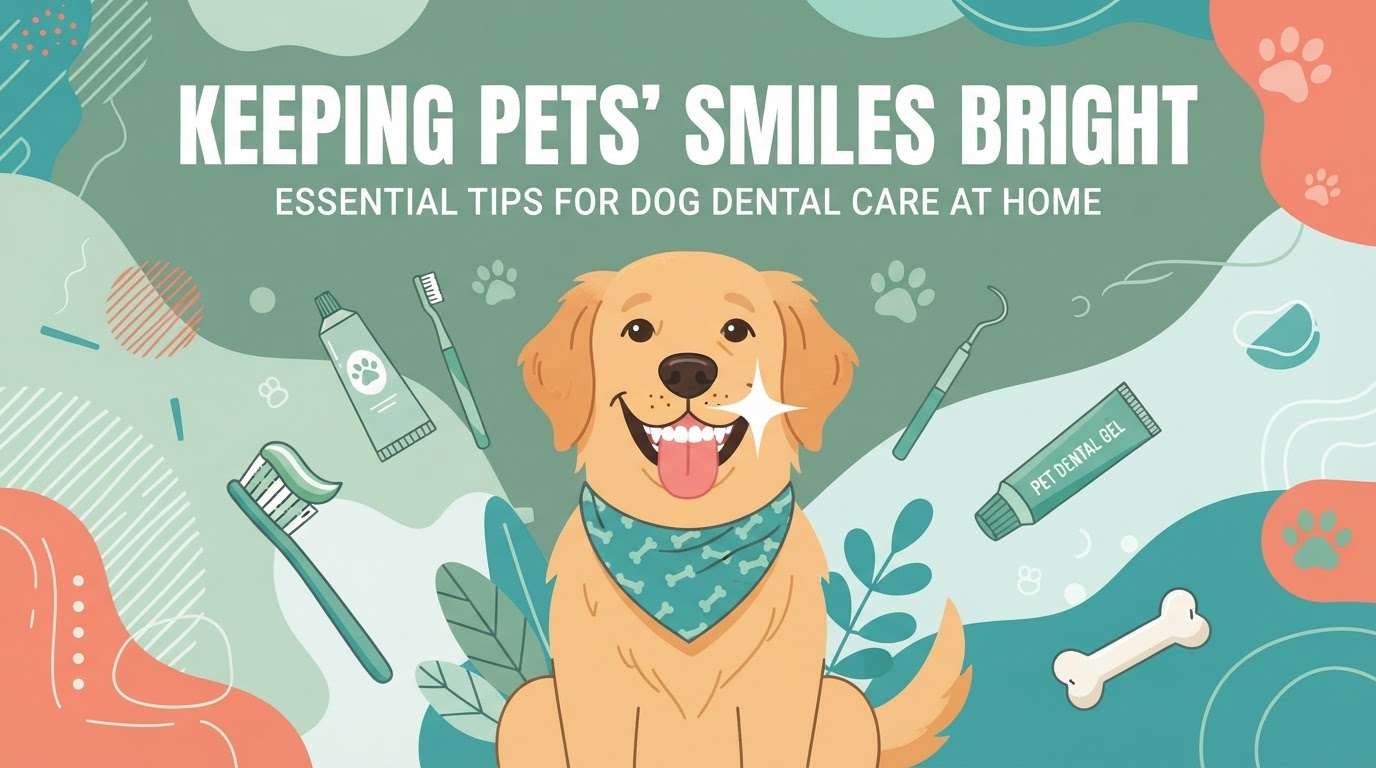
Home care plays a big role in preventing dental disease between professional evaluations. The single most effective at-home step is regular tooth brushing with a toothpaste made specifically for pets — never use human toothpaste, which can be harmful to animals.
Aim to brush your pet's teeth daily if possible, but even a few times a week is beneficial. Introduce brushing gradually and keep it positive. Your veterinarian can also recommend veterinary-approved dental diets, chews, or rinses that may help reduce plaque, though these are most effective alongside brushing rather than as a replacement.
Learn more about our veterinary services.
How Often Pets May Need Dental Evaluations
Most pets benefit from a dental evaluation at least once a year as part of their wellness visit. Some pets — including smaller breeds, senior pets, or those with a history of dental disease — may need more frequent attention.
Your veterinarian will recommend a schedule based on your pet's individual needs and the condition of their mouth. Between visits, keep an eye out for the warning signs described above and reach out if anything changes.
Learn more about our veterinary services.
Conclusion
Dental care is an essential part of your pet's overall wellness. By combining regular veterinary evaluations with simple at-home habits, you can help protect your pet's teeth, gums, and comfort for years to come.
If it's been a while since your pet's last dental check, or if you've noticed any signs of dental trouble, we encourage you to take a proactive step. Our team is here to help you give your pet a healthier smile.
Learn more about our veterinary services.
Frequently Asked Questions
Is bad breath in pets normal?
Persistent bad breath is not normal and is often a sign of dental disease. If your pet has ongoing bad breath, it's worth scheduling a dental evaluation.
Can I clean my pet's teeth without anesthesia?
While you can brush your pet's teeth at home, a thorough professional cleaning that addresses plaque and tartar above and below the gumline requires anesthesia. Talk to your veterinarian about what's appropriate for your pet.
How do I start brushing my pet's teeth?
Start slowly — let your pet taste the pet-safe toothpaste, then gradually introduce the brush over several sessions. Keep it positive with praise and rewards, and ask your veterinary team for a demonstration if you'd like guidance.
Medical information disclaimer: This article is provided for educational purposes only and does not replace professional veterinary advice, diagnosis, or treatment. Always consult your veterinarian regarding your pet's specific health needs.
Ready for the Next Step?
Give Your Pet a Healthier Smile — Request a Dental Assessment.
Request an AppointmentExplore more articles on our Resources page.